







Search Results for: chaotic queues
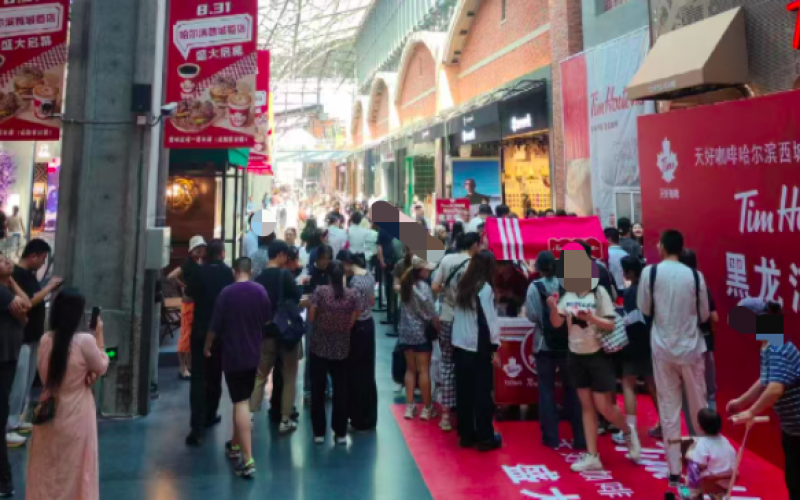
Tims' first store in Harbin opens with long queues causing chaos, organizational capability questioned by consumers
Canadian coffee brand Tims opened its first store in Harbin over the weekend. The brand had attracted a large number of consumers in advance through buy-one-get-one-free coupons and queue gifts, with the first 200 people to arrive able to receive different tiers of gifts such as coffee monthly cards and city mugs. However, on opening day the scene was chaotic, with some customers waiting several hours before getting their food and drinks, and the efficiency of order fulfillment and store management drew widespread complaints. Although the queue turnout reflected the brand's appeal, the lack of organizational capability also left many fans disappointed, affecting the impression of the brand's first store. [more…]
Chaos at Heytea's New Guangzhou Tower Store Opening as Limited-Edition Fridge Magnets Spark a Breakdown of On-Site Order
Last weekend, Heytea's new store at Canton Tower officially opened its doors to customers. What should have been a lively opening celebration instead turned into a complaint fest due to the chaotic rules for claiming limited-edition merchandise. The brand launched an exclusive fridge magnet inspired by the Canton Tower and promised that only 200 would be stocked each day, available on a first-come, first-served basis. As soon as the news broke, a large number of fans got up early on their day off and rushed to the scene, only to find disorderly queues, inconsistent explanations from staff, and the quantity of merchandise shrouded in mystery. What annoyed consumers even more was that after they had already placed orders and waited in a long line, they were told when they were about to check in that the merchandise had already been given out, and they could only come back the next day. How did this new store marketing campaign, which should have been a plus, spiral out of control step by step? [more…]
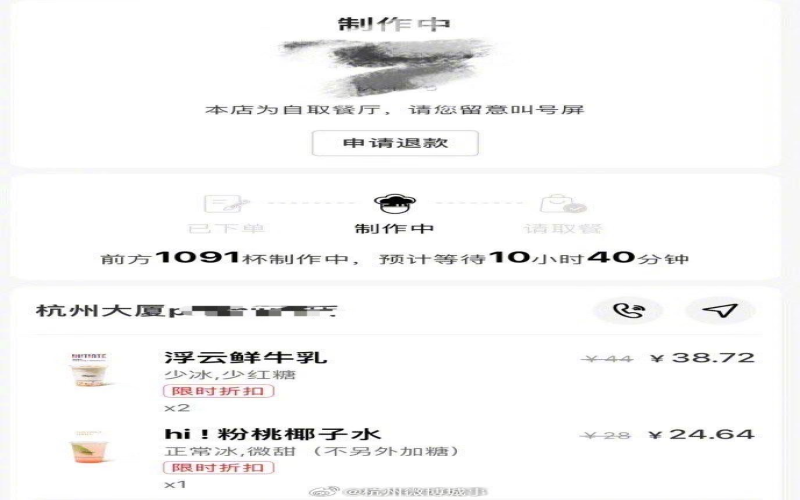
Hangzhou's internet-famous milk tea has queues exceeding 10 hours—is it consumers following the trend or hunger marketing?
After the first Hangzhou store of BONJOUR, a Suzhou milk tea brand, opened, its online ordering showed over a thousand cups in production ahead, with wait times often reaching seven to eight hours or even more than ten. Consumers posted screenshots of their orders, sparking heated debate: Is a cup of milk tea worth such a long wait? A reporter's visit found no long lines on site, but chaotic pickup and sold-out popular items. Some consumers admitted the taste was nothing special and they were just following the trend. Netizens questioned whether this was hunger marketing and suggested waiting for this "Hangzhou fad" to pass before trying. This article will explore the phenomenon and reflections behind this milk tea queue controversy. [more…]
Nanjing's Chayan Yuese closes on opening day: scalpers drive prices up to 200 yuan a cup, police maintain order on site
Amid the wave of price cuts in new-style tea drinks, a cup of milk tea priced at 50 yuan is no longer common. However, on the opening day of Chayan Yuese's first store in Nanjing, scalpers were reselling cups for as much as 200 yuan, with people lining up as early as 4:30 a.m., and related topics quickly trended on Weibo. Due to excessive crowds and chaotic order, the Xinjiekou store posted a sold-out notice and closed its entrance just five minutes before its official opening, while the Jiangning Jingfeng store continued operating. Police dispatched officers to maintain order and persuade citizens to leave. On some trading platforms, proxy purchasing and queuing services appeared, priced between 10 and 200 yuan. The Nanjing Market Supervision Bureau made it clear that scalping is illegal. People's Daily Online called on consumers to treat internet-famous brands rationally and not be led by merchants and scalpers. [more…]
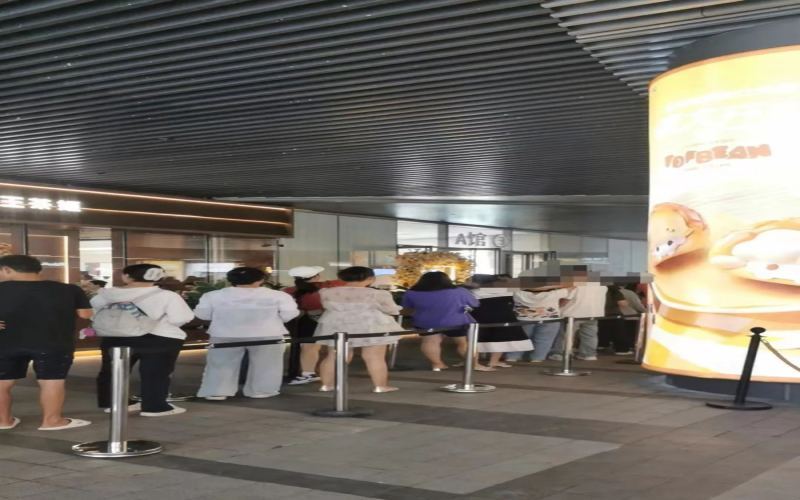
New Chagee Store Draws Criticism Over Long Pickup Queues, Raising Doubts About Store Management Amid Low-Price Promotions
Chagee has recently opened new stores in Hainan, Fujian, Guangdong and other places, launching a 9.9 yuan promotional offer that has attracted large numbers of consumers to line up to buy. However, many customers who ordered in advance through the mini-program still encountered a second queue when picking up their drinks at the store. Employees at some stores did not check the pickup codes and distributed drinks on a first-come, first-served basis, causing chaos at the pickup scene. Consumers complained that what was supposed to save time turned into waiting in line for more than half an hour, an experience inconsistent with the official claim of "pick up in store without queuing." Long-time users were not surprised by this phenomenon, believing that low-priced promotional items are made in concentrated batches and that employees ignore pickup codes and taste notes in order to improve efficiency. But most netizens are worried that this move will affect the brand's image, and some even speculate whether it is done intentionally to create a bustling scene. [more…]
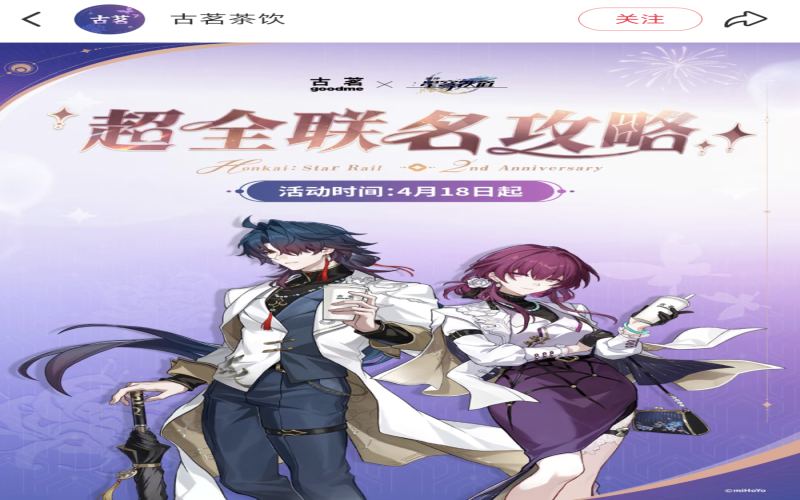
Good Me's Collab with Honkai: Star Rail: Merch Shortage Storm—Million-Deep Queues, Stores Sold Out in Seconds, and the Restock Dilemma
The collaboration between Goodme and Honkai: Star Rail was supposed to be a fan frenzy, but it turned into a reputational crisis due to severe merchandise shortages. On the first day of the event, the official mini-program queue exceeded 1.2 million people, stores in many locations sold out within 3 hours, and high-priced complete merchandise sets appeared on second-hand platforms. Although the brand claimed to have prepared "the largest inventory in history," compared with the previous Love and Deepspace collaboration, whose stock was only one-third of this amount, it clearly underestimated players' purchasing power. What dissatisfied fans even more was that many stores explicitly stated they would not restock, causing the collaboration to end early. This imbalance between traffic and reputation sounded a warning for co-branded marketing in the coffee and tea beverage industry. [more…]
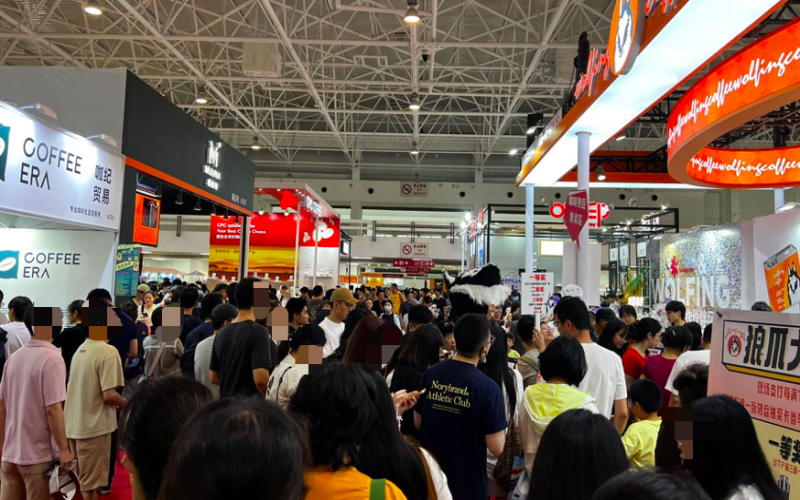
Coffee Expo Draws Huge Crowds but Sparks Controversy: Open-Admission Entry Undermines Professionalism
A recent international coffee exhibition held in Beijing sparked widespread discussion. The venue was packed with people and buzzing with excitement, yet many coffee enthusiasts who attended found that the professional exchange atmosphere they had expected was diluted by the surging crowds. Free admission attracted a large number of non-professional visitors, and money-saving guides even led to long queues in front of some booths. Some lamented that the exhibition was becoming more and more like a market, while others called on the organizers to set thresholds to ensure a better experience. What exactly happened at this coffee exhibition? Let's take a look at the real situation on the ground. [more…]
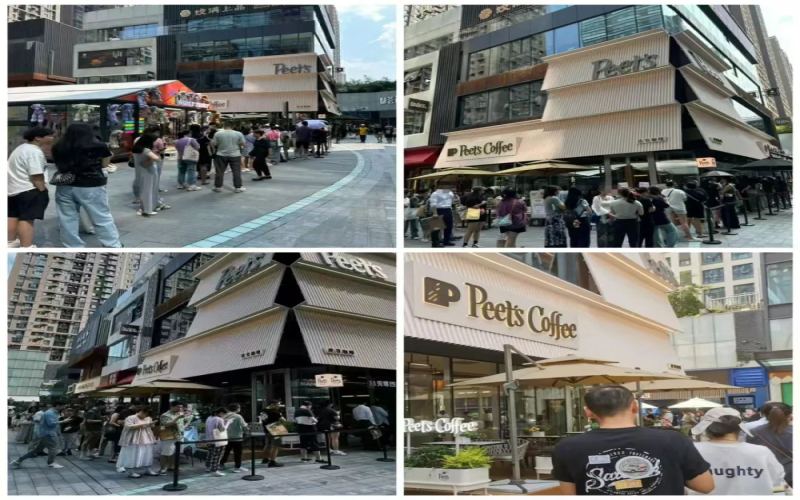
Peet's Coffee's first Xi'an store opens to a queue frenzy, with limited-edition merch becoming the scramble focal point.
The chain coffee brand Peet's opened its first store in Northwest China at Xi'an Daduhui, drawing a large crowd of fans who lined up early in the morning on opening day. What attracted the crowd was not just the title of "first regional store," but also limited-edition city-exclusive fridge magnets, enamel cups, and kraft paper backpacks and other merchandise. The number of people queuing on site was so large that the line curved around twice, and customers generally had to wait about two hours to enter the store. The store has not yet opened an online ordering channel and only supports orders at the bar, which has affected efficiency to some extent. Peet's plans to open a total of three stores in Xi'an, with subsequent stores to appear one after another. However, some consumers and enthusiasts remain wait-and-see about the brand's long-term performance in the inland market, believing that high-priced products may face challenges in the current consumption environment. [more…]
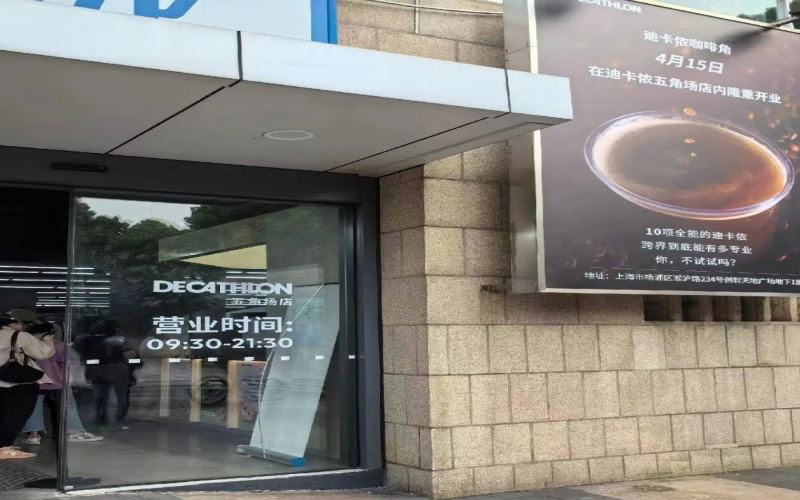
Decathlon Crosses Over into the Coffee Market, First Coffee Corner Lands in Shanghai Wujiaochang
The coffee consumption boom continues to heat up, and even outdoor sports brands can no longer resist trying their hand at crossing over. French outdoor brand Decathlon recently opened its first coffee corner inside its Shanghai Wujiaochang store, formally stepping onto the coffee track. During the opening period, customers who bought drinks in-store could take part in a giveaway of limited-edition camping cups, drawing a large number of consumers to visit and check in. However, the huge turnout also exposed a lack of operational experience, with frequent problems such as the online mini-program crashing, stores being overwhelmed with orders, and one-hour queues. In addition to regular coffee, the Decathlon coffee corner has also launched sports-themed special drinks that match the brand's tone, with prices following an affordable approach. Whether this kind of crossover play can be sustained is worth watching. [more…]
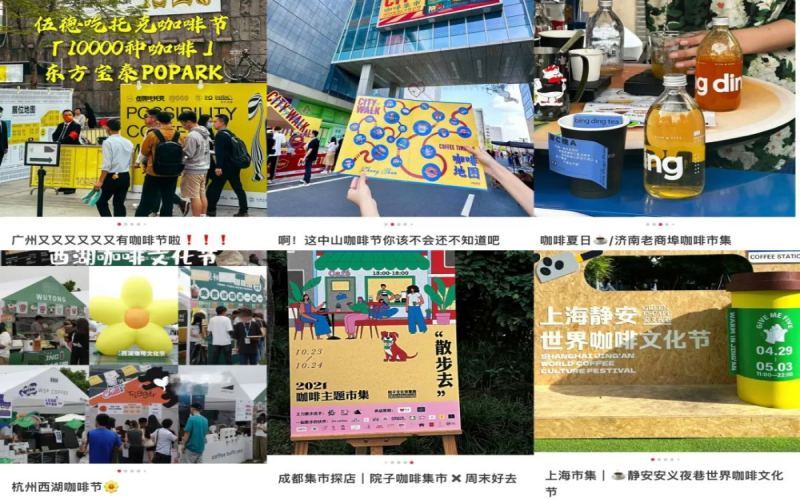
Coffee market specialty drinks average 40 yuan, sparking debate as consumers question the premium and the experience
In recent years, coffee festivals and markets have sprung up everywhere, attracting large crowds of enthusiasts and photo-taking visitors. However, some netizens have pointed out that a small cup of specialty drink averaging 40 yuan, with long queues, noisy environments, and sometimes even an entrance fee, offers far worse value for money than chain brands. Similar complaints keep appearing on social platforms, arguing that coffee markets are gradually becoming milk tea-like or bar-like, with very few stalls truly focused on basic coffee and cultural exchange. Even so, markets continue to be held one after another, and consumers seem to have become leeks that can never be fully harvested. Of course, some brands do put care and quality ingredients into their specialty drinks, but the overall impression is still hard to change. For industry practitioners and coffee lovers alike, how to balance commerce and experience has become a question worth pondering. [more…]
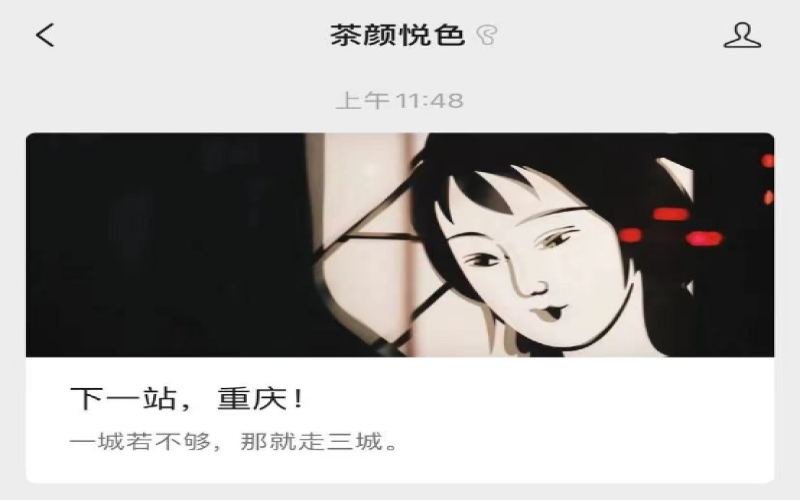
Tea Yan Yue Se's June opening in Chongqing is finalized, with its first stop in West China partnering with four major commercial districts.
Sexy Tea, the Changsha tea beverage brand that has captured the hearts of consumers nationwide, is finally set to leave Central China and enter Western China. Following the grand scene of eight-hour queues triggered by its first store in Wuhan at the end of 2020, Sexy Tea officially confirmed it will open in Chongqing this June and has already reached intentions with four shopping malls: Raffles City, Longfor Times Paradise Walk, Longfor North City Paradise Walk, and MixC. From the retreat of its Shenzhen pop-up store, to three waves of store closures in 2021, and then to reflecting on blind expansion and "traveling light to new cities," Sexy Tea's expansion path has been full of twists and turns. Whether this entry into Chongqing can hold the mid-range position amid the chaotic battle of high-end tea drinks cutting prices to seize the market is worth watching. [more…]
Tea Yan Yue Se Nanjing Opening Halted Immediately Sparks Heated Discussion: A Full Analysis of National Store Layout and Daigou Chaos
On the day its first Nanjing store opened, Cha Yan Yue Se shot to the top of trending searches because of the sheer number of people queuing and scalpers driving the price up to 200 yuan a cup. The Xinjiekou store was forced to close, while the Jiangning Jingfeng store remained open. The brand revealed that it plans to open five stores in Nanjing in the future, while market regulators made clear that scalping on behalf of buyers is illegal. This article reviews Cha Yan Yue Se's expansion trajectory in cities such as Changsha and Shenzhen, compares it with the development paths of similar brands such as Nayuki, and explores the balancing challenge facing internet-famous tea drinks among quality control, supply chains, and consumer rationality. [more…]
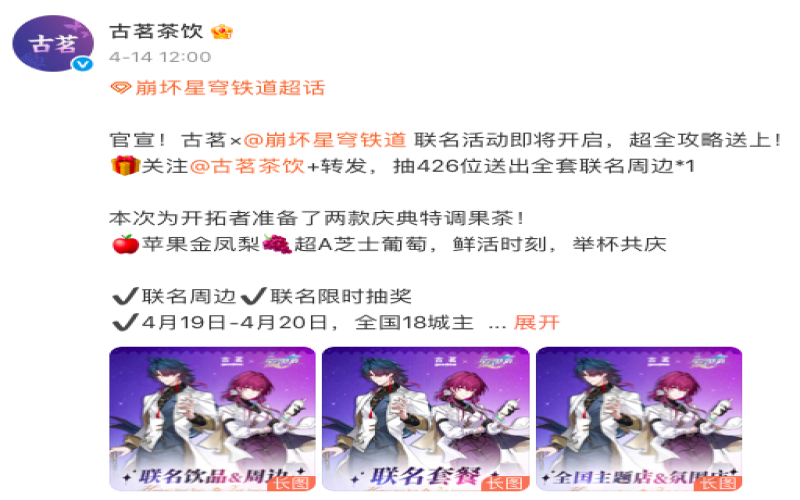
Good Me's collaboration with Honkai: Star Rail triggers order explosion: slush machines smoke and break down, staff say they can't keep up
The collaboration between Gu Ming and the hit game "Honkai: Star Rail" ignited a consumer frenzy as soon as it launched, with over 1.2 million people queuing in the mini-program, and the topic quickly shot to the top of trending searches. Store orders poured in like snowflakes, and the limited-edition drinks were all fresh fruit smoothies with complex preparation processes. Under high-intensity operation, multiple smoothie machines were overwhelmed, emitting white smoke and even exploding on the spot, while staff were so busy they didn't even have time to drink water. To deal with equipment failures, some stores prepared backup machines in advance, while others had to borrow juicers from neighboring Shu Yi Shao Xian Cao and Luckin for emergency use. Behind this collaboration frenzy, issues such as excessively high thresholds for obtaining merchandise and enormous pressure on stores were exposed, also triggering discussions on optimization measures such as selling drinks and merchandise separately and cup storage services. [more…]
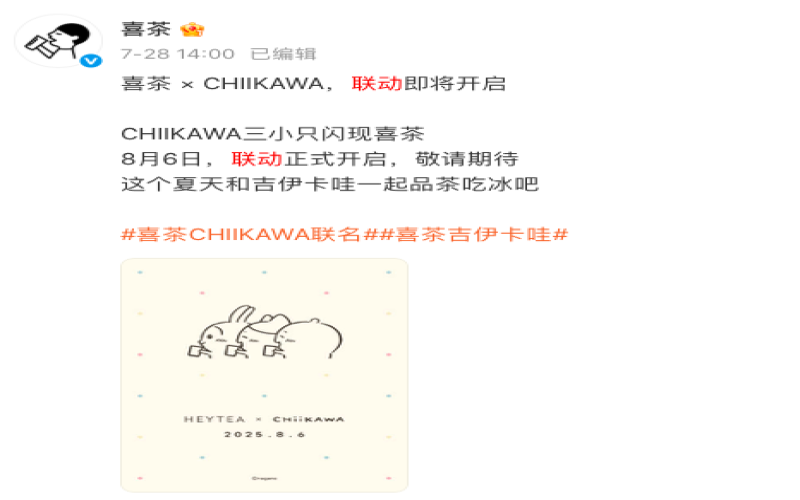
Heytea's Chiikawa collaboration saw explosive orders on its first day: some stores had a three-hour wait for pickup, and online ordering was forced to shut down.
HEYTEA's collaboration with the popular Japanese anime "Chiikawa" officially launched today, instantly igniting the buying frenzy of fans and consumers. Although the brand had stocked up on merchandise in advance, avoiding an instant sell-out, the massive volume of orders still caught stores off guard: some stores accumulated over a hundred drinks within ten minutes of opening, with themed stores in Shanghai, Guangzhou and other cities receiving as many as seven to eight hundred orders, forcing online ordering channels to be shut down. On-site pickup lines stretched for several meters, with many consumers waiting one to two hours to get their drinks and merchandise, and some even waiting as long as three hours. Meanwhile, the mini-program showing "order ready" in advance while drinks could not be found in the pickup area further exacerbated the on-site chaos. Behind the popularity of this collaboration event, the brand's operational shortcomings in handling instant traffic surges have also been exposed. [more…]
The opening of Shenzhen's Chayan Yuese drew 30,000 queue numbers and sparked heated discussion; officials clarified these were Wenheyou table numbers and urged rational consumption.
On April 2, the internet-famous tea brand Chayan Yuese opened a pop-up store at Shenzhen Wenheyou. The queue on opening day was unprecedented, with rumors online claiming that the number of waiting tickets exceeded 30,000, and a cup of milk tea was being resold for over 200 yuan. However, Chayan Yuese officially clarified shortly afterward that the so-called 30,000 number was actually the table number at Shenzhen Wenheyou, not the queue number for milk tea. From Changsha to Wuhan and then to Shenzhen, why does Chayan Yuese always trigger such frenzy? This article will reconstruct the whole incident, sort out the brand's development trajectory, and discuss whether a cup of milk tea is worth such a long queue. [more…]
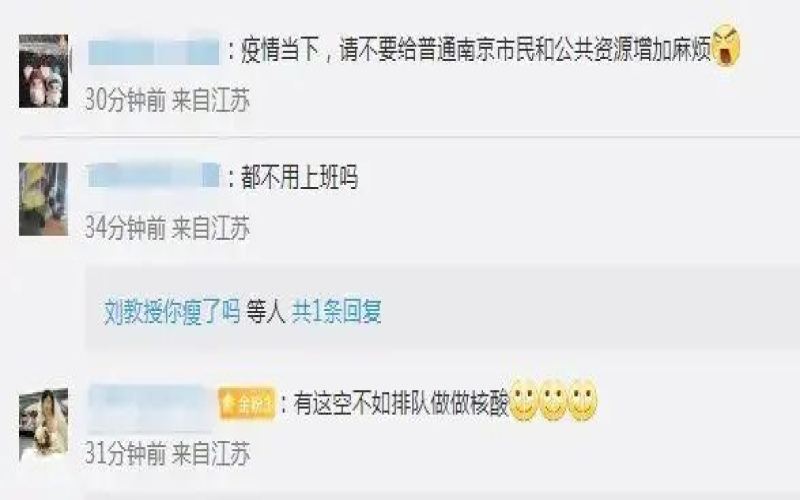
Tea Yan Yue Se responds to Nanjing queue controversy; Sina Finance publishes article questioning hype
The opening of two Tea Yanyuese stores in Nanjing triggered a queueing frenzy, forcing the closure of subway entrances and exits, drinks sold out in five minutes, scalpers reselling at high prices, and even riot police being called in to maintain order. Faced with questions over hiring people to queue and reselling hype, Tea Yanyuese issued an apology and promised purchase limits; however, two hours later Sina Finance published an investigative article pointing directly at the agency-buying queues as a premeditated false prosperity. Is this uproar down to brand appeal or marketing tricks? With the pandemic not yet subsided, what hidden dangers does gathering in queues bring? This article sorts through the whole incident and explores the queue economy and public order issues behind internet-famous tea brands. [more…]
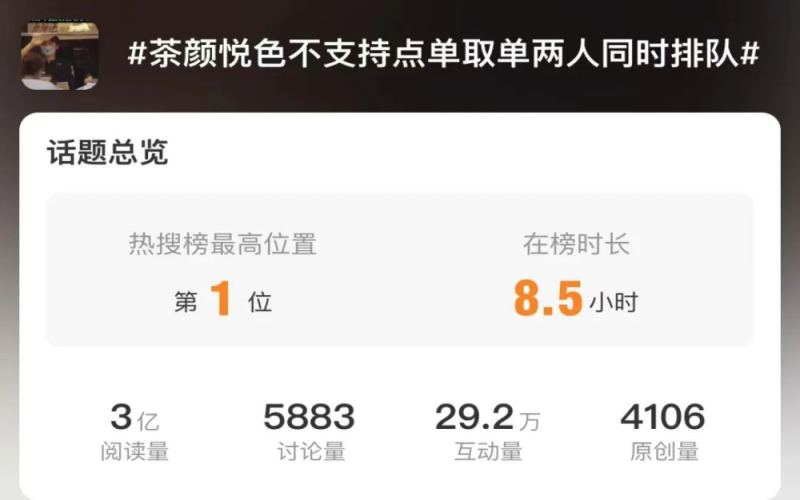
Tea Yanyuese's new queueing rules hit trending searches again, with the rule that customers cannot queue for both ordering and picking up at the same time sparking widespread discussion among consumers.
On the evening of August 5th, Sexy Tea (Chayan Yuese) hit the top of the trending searches due to its rule of "not supporting two people queuing simultaneously for ordering and picking up," with reads reaching 300 million times, sparking intense discussions among netizens. Many consumers questioned that this "standing punishment" queuing was actually hunger marketing, intended to extend customers' stay in the store and create a false impression of a bustling business. In fact, this is not the first time the brand has trended for its queuing rules—at the beginning of the year, some stores required customers to wait on-site after ordering, and leaving meant having to re-queue, and they even closed the mini-program ordering. Some customers reported that a single person had to complete two queues alone, while those with companions could split up, causing those who ordered first to wait longer. The brand had publicly apologized for this, stating that the adjustment was originally intended to enhance the consumption experience and drink taste. This article sorts out the context of the incident and various viewpoints, and includes related recommendations from Front Street Coffee. [more…]
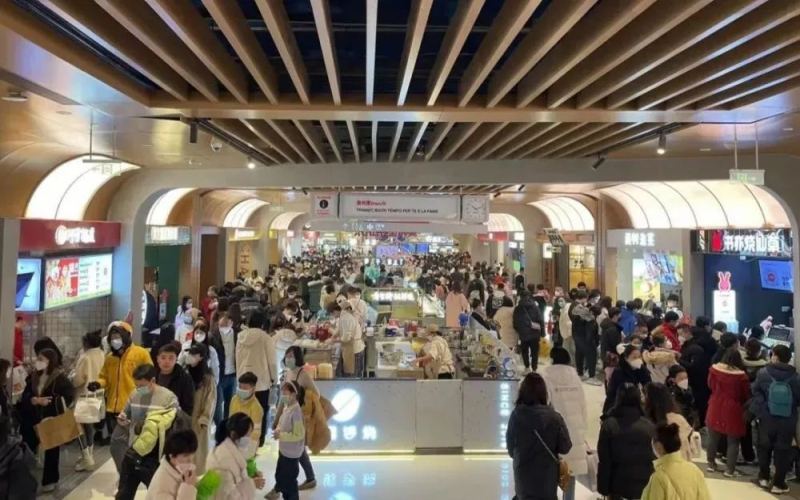
One-Month Observation of Pandemic Restrictions Easing: Coffee and Milk Tea Shops See Long Queues Again, Catering Consumption Shows Clear Recovery Momentum
During the first New Year's mini-holiday after the adjustment of pandemic control policies, people who had recovered from COVID-19 began traveling in large numbers, rapidly heating up the food and beverage consumption market. Long queues reappeared outside milk tea and coffee shops, with some stores seeing orders surge, and even scenes of ordering systems showing queues of over a hundred cups. From Auntea Jenny to Naixue Tea, sales data from multiple brands rebounded significantly, and foot traffic in many commercial districts recovered to 60 to 80 percent of the same period in previous years. Although the pace of recovery remains uneven, the city's lively atmosphere is gradually returning, and the industry is full of expectations for a comprehensive rebound in spring. [more…]

The opening of Tims' first store in Nanning triggered a queuing frenzy, with consumers clamoring for limited-edition cups in the cold weather.
On December 16, Tims China opened its first store in Nanning, Guangxi, launching opening promotions such as buy-one-get-one-free, adding 1 yuan for a Farmer's Wrap, and giving away limited-edition cups, attracting a large number of consumers to line up in cold weather. The queue began gathering at 7 a.m., and number tickets were distributed within 20 minutes, sparking netizens' doubts about "paid stand-ins." This article reviews the promotion rules, the on-site queue situation, netizens' comments, and similar marketing phenomena by brands in non-first-tier cities, along with related recommendations from Front Street Coffee. [more…]
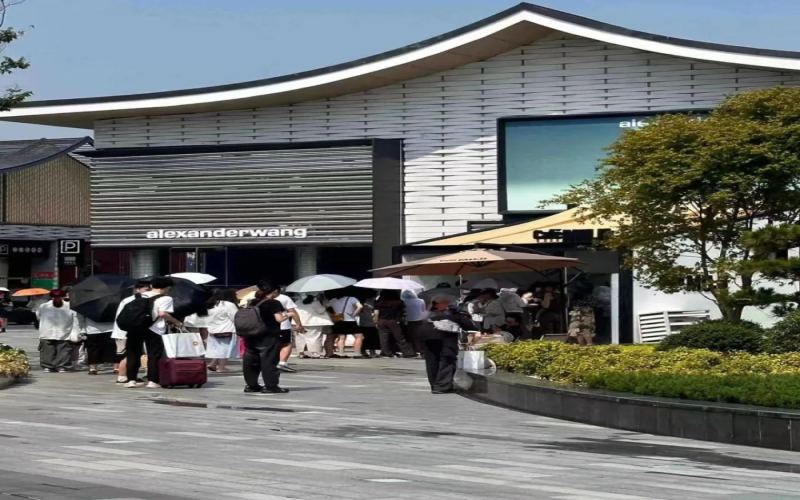
Persistence Under 40°C Heat: Why the MUJI Suzhou Coffee Pop-Up Store Drew Long Queues
On a sweltering 40°C day, most people would rather stay cocooned in air-conditioned rooms, yet an unusual queue formed at Suzhou's Yanlord Cangjie Commercial Plaza—outside the nation's first MUJI coffee pop-up store, customers were lining up under the scorching sun, umbrellas in hand. What drew them was not a new matcha product, but two Suzhou-exclusive brand badges. However, the queuing process was nothing short of a "roasting" ordeal, with indoor areas also unable to escape direct sunlight, weakening the air conditioning and leading to frequent complaints about insufficiently cold drinks and ice cream melting in seconds. This pop-up event will continue until November, and those who have already "braved the battle" are advising: if you're not set on the giveaways, it might be better to wait for cooler weather before going. [more…]